Staying independent at home remains a common goal for older Australians and NDIS participants, whether showering, cooking, or moving safely. Occupational therapy is one of the key allied health services that helps people build skills and confidence for independent living. This article explains occupational therapy, how it supports independence at home, and how Newcastle and […]
Read More
Before an older Australian can access government-funded aged care services, they need to complete a My Aged Care assessment. This assessment helps determine the support they may need, from help around the home and allied health services to higher-level in-home care. For many families in Newcastle and the Hunter Region, this is the first real […]
Read More
Falls prevention physiotherapy uses structured strength, balance, and mobility exercises to reduce an older adult’s risk of falling. Families across Newcastle and the Hunter Region can access these sessions through home visits or clinic-based appointments. It supports a genuinely mixed caseload, from people on Support at Home budgets to NDIS participants and those funding care […]
Read More
One of the first practical decisions a new NDIS participant makes is how their plan will be managed. It is not a decision about what supports you get, but about how the funding for those supports is administered day to day. For families in Newcastle and the Hunter Region, this choice affects who you can […]
Read More
If you support a family member with disability or are an NDIS participant yourself, you may have come across the term Positive Behaviour Support (PBS). It is a person-centred approach that helps participants develop strategies to improve their quality of life and support positive changes in behaviour. People often misunderstand this NDIS support because they […]
Read More
Telehealth speech pathology is a way of receiving speech and language therapy through video calls rather than in person. It is a recognised, funded service model in Australia that supports both assessments and ongoing therapy for children and adults. For many families, telehealth removes travel, waiting rooms, and local availability barriers while providing the same […]
Read More
The Australian Government introduced Support at Home on 1 November 2025 to replace Home Care Packages and Short-Term Restorative Care. It funds care and support for older Australians at home through eight funding classifications instead of the previous four package levels. The government now fully funds clinical care, including nursing and allied health, rather than […]
Read More
The NDIS Quality and Safeguards Commission requires registered NDIS providers to undergo an independent audit against the NDIS Practice Standards before granting registration. Unregistered providers do not undergo this audit but must still follow the NDIS Code of Conduct. Whether you can use an unregistered provider depends on how your NDIS plan is managed. This […]
Read More
Finding the right aged care support close to home can make all the difference. It benefits not only the person receiving care but also families and loved ones involved. In particular, Wallsend sits in Newcastle’s inner west and is vibrant and well-connected. It also has a strong community spirit. As a result, older Australians in […]
Read More
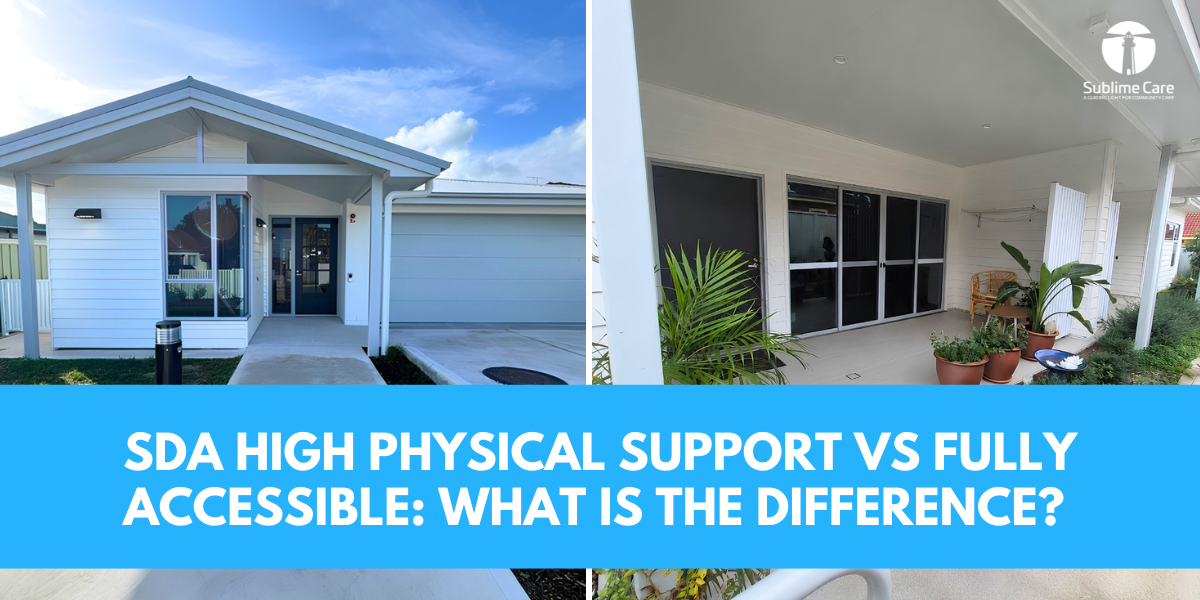
If you or someone you support is exploring Specialist Disability Accommodation (SDA) through the NDIS, you have likely come across two categories that sound similar but serve very different needs: SDA High Physical Support vs Fully Accessible. Understanding the difference between these two SDA design categories is essential for choosing the right home and securing […]
Read More