


Finding the right place to call home can feel overwhelming, especially when you or someone you care for has complex support needs. If you are an NDIS participant exploring SDA housing in Newcastle, understanding how Specialist Disability Accommodation works can make the journey clearer and far less stressful.
This guide will walk you through what SDA housing is, who it is for, how funding works, and what to consider when looking for the right SDA home in Newcastle and the Hunter Region.
What is SDA housing?
Specialist Disability Accommodation, commonly known as SDA, is housing specifically designed for people with very high support needs or extreme functional impairment. SDA homes are built to strict standards so residents can live more safely, comfortably, and independently.
SDA housing often includes features such as:
- Wide doorways and hallways for wheelchair access
- Step free entry and movement throughout the home
- Accessible bathrooms and kitchens
- Assistive technology such as automated lighting or smart controls
- Emergency systems and safety features
- Space for support workers when necessary
SDA funding under the NDIS covers the specialised housing itself. This funding is separate from daily support funding such as Supported Independent Living or personal care.
Who SDA housing is designed for
SDA housing is not suitable for every NDIS participant. It is designed for people whose disability related needs cannot be safely met in standard housing, even with modifications.
You may be eligible for SDA housing if:
- You are an NDIS participant
- You have very high support needs or significant functional impairment
- You require specialised housing features to live safely
- SDA is considered reasonable and necessary in your NDIS plan
Eligibility is usually supported by assessments from professionals such as occupational therapists, along with input from your support coordinator.
Types of SDA Housing
There are four main design categories of SDA, each suited to different levels of need:
1. Improved Liveability
This category benefits participants with sensory, cognitive, or intellectual needs who require thoughtful design elements like improved lighting, acoustic treatments, and intuitive layouts.
2. Fully Accessible
Homes that offer comprehensive wheelchair accessibility throughout, including bathrooms, kitchens, and living areas, allowing participants to move freely and safely without barriers.
3. Robust
Built to withstand repeated impact or physical stress, these homes are ideal for participants whose disability may result in behaviours that could otherwise damage a typical dwelling.
4. High Physical Support
The most advanced category, designed for participants with very high physical support needs. These homes often include ceiling hoists, emergency systems, space for multiple carers, and even Onsite Overnight Assistance (OOA) rooms.
Finding SDA housing in Newcastle
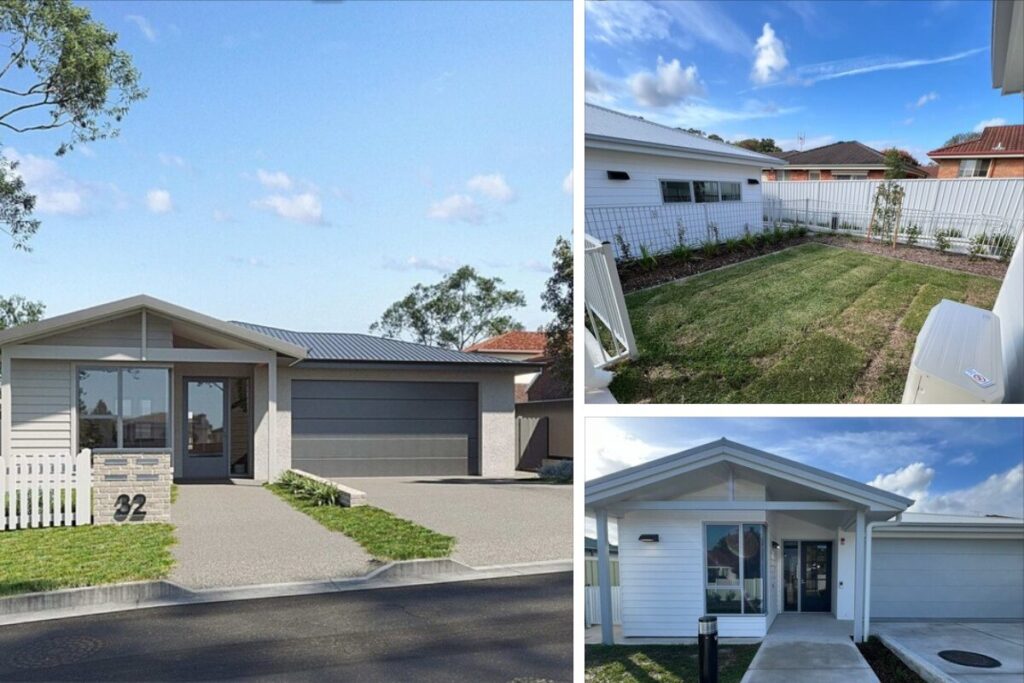
Once SDA funding is in your NDIS plan, the next step is finding a suitable home. This can take time, especially as SDA housing is in high demand.
One of the best ways to start is by reviewing current SDA vacancies from trusted local providers. Some providers publish available SDA housing in Newcastle directly on their websites, making it easier to see what is available now and what may be coming soon.
Your support coordinator can also play a key role in this process. They can help you match your SDA funding to available properties, contact providers on your behalf, and guide you through inspections and applications.
It is also a good idea to contact SDA providers directly, even if no current listed vacancies. Some providers maintain waitlists or can notify you when a suitable property becomes available.
How SDA Funding Works
SDA funding is separate from other support budgets in your NDIS plan. It essentially covers the cost of the housing itself — recognising that specialised designs and accessibility features are more expensive than standard homes.
Once SDA is included in your plan:
- The NDIS allocates a funding line specifically for SDA based on your assessed needs.
- You work with providers to find a home that matches your SDA category and location preferences.
- When you move into an SDA property, the NDIS pays SDA providers directly for the housing features — and you may make a reasonable rent contribution like most tenants.
It’s important to understand how rent, tenancy agreements, and ongoing costs work. While the NDIS pays for the specialised housing features, everyday living costs (utilities, food, rent contribution) are normally your responsibility, similar to other rentals.
Tips for Choosing the Right SDA Home
When evaluating SDA housing in Newcastle, consider:
Location
Is the home near public transport, shops, community amenities, medical services, and family support networks?
Accessibility Features
Does the design truly match your daily mobility needs (door widths, roll-in showers, hoists)?
Support Compatibility
Can your chosen support team work effectively in the home environment?
Social and Community Fit
Will this location help you stay connected to community, friends, and routines that matter most?
Visiting properties, asking questions, and taking notes can help ensure you find a place that feels right and supports your independence.
Ready to Explore SDA Housing in Newcastle?
You are also welcome to contact our friendly team to discuss your needs and explore how Sublime Care can support your SDA journey.
At Sublime Care, we understand that the right home supports more than accessibility. It supports independence, dignity, and quality of life.
We offer thoughtfully designed SDA housing in Newcastle and the Hunter Region, working closely with participants, families, and support coordinators every step of the way.
If you are looking for SDA housing in Newcastle or want to learn more about current availability, you can explore our current SDA vacancies and see whether one of our homes may be the right fit for you.
You are also welcome to contact our friendly team to discuss your needs and take the next step in your SDA housing journey.